By Jennine Meyer
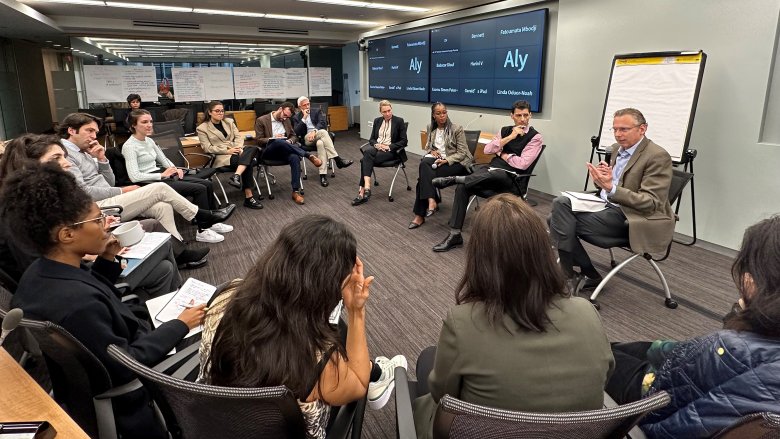
Panama City, Panama: The World Bank Dispute Resolution Service (DRS) and Inspection Panel (Panel), with contributions from the Office of the Compliance Advisor Ombudsman (CAO), convened a two-day regional workshop in Panama City from May 28-29, 2026 on “The Role of Civil Society Organizations in Accountability at the World Bank Group”.
The event brought together 25 participants from 18 civil society organizations (CSOs) across Latin America, including Ecuador, Colombia, Panama, Peru, and Bolivia, to deepen understanding of accountability processes and explore pathways for engagement with the World Bank Group’s accountability mechanisms. The workshop, conducted in Spanish, offered a comprehensive view of how independent accountability mechanisms operate across the World Bank Group and how civil society can support project-affected communities.
Building Foundations for Engagement
The first day of the workshop focused on establishing a shared understanding of accountability mechanisms and their role in development. Through interactive sessions and small group exchanges, participants explored how to access project information, raise concerns, and navigate the available channels for accountability.
A key highlight was the contribution of a civil society organization with firsthand experience engaging with the Inspection Panel. This perspective grounded the discussions in real-world practice, illustrating how civil society can help communities voice concerns and seek redress, as well as the limitations of what accountability mechanisms can achieve.
Participants also engaged in hands-on exercises that focused on compliance and dispute resolution, strengthening their practical understanding of how accountability processes work.
“What stood out most was the openness of the discussions,” said Marcos Favero, Dispute Resolution Officer, DRS, who facilitated several sessions. “Civil society participants engaged candidly on the challenges they face in supporting communities. We were able to discuss the reach and limitations of independent accountability mechanisms and demonstrate how dispute resolution can provide a space for constructive dialogue and practical solutions.”

Deepening Understanding Through Practice and Dialogue
The second day of the workshop focused on providing a deeper dive into dispute resolution and compliance approaches, supported by case examples from across the three World Bank Group accountability mechanisms. These sessions highlighted how different accountability tools can help address concerns, support remedy, and foster constructive engagement between communities and development actors.
Discussions reflected the participants’ diverse perspectives from across the region, highlighting common challenges, including access to information, trust in institutions, and navigating complex processes, as well as opportunities for more effective civil society engagement.
“This workshop gave accountability mechanisms a chance to hear from civil society in the region and have an open exchange on how these processes work in practice,” said Camila Jorge do Amaral, Investigations Officer, Inspection Panel, who facilitated several sessions. “Using real case examples and direct conversations, the Panel was able to walk participants through its process and show how community engagement and investigations have helped bring projects back into compliance, address harm, and strengthen institutional learning.”
Key Takeaways from Participants
Pre- and post-workshop survey results point to a clear shift in participants’ understanding of independent accountability mechanisms.
Ahead of the workshop, responses from 18 participants showed that familiarity with independent accountability mechanisms was limited, with many indicating only basic or no understanding and relatively few having prior experience engaging with these processes. Participants also highlighted challenges such as difficulty accessing information, uncertainty about how to navigate mechanisms, and concerns about potential risks when supporting communities.
Following the workshop, all 22 respondents to the post-workshop survey reported positive levels of satisfaction, with no participants indicating dissatisfaction, and the large majority noting that the workshop was either “very effective” or “somewhat effective” in strengthening their understanding. Most participants also reported that their understanding had improved—many significantly—and that they felt better prepared to engage with accountability mechanisms and support communities in practice. Feedback further emphasized the value of practical tools, case-based learning, and clearer pathways for accessing information and raising concerns, suggesting that the workshop helped address key knowledge gaps and build confidence in applying accountability processes.
In a survey response, one participant wrote, “I learned that these mechanisms are not infallible, but they provide an important avenue to pursue justice and remedy.”
Strengthening Accountability Through Partnership
The workshop highlighted the critical role that civil society plays in strengthening accountability and improving development outcomes. “CSOs serve as essential partners in ensuring that concerns are heard and addressed,” said William Romans, Head of Operations, DRS. “Workshops like this are essential to building trust and ensuring that accountability mechanisms are accessible and responsive to the needs of communities.”
The collaboration between the Panel, the DRS, and CAO also demonstrated the value of a coordinated approach across the World Bank Group, providing participants with a holistic view of accountability in both public and private sector operations.
Looking Ahead
The Panama workshop reflects the continued commitment of the DRS and Panel to outreach and engagement with civil society. By strengthening understanding, building relationships, and supporting practical engagement, these efforts contribute to more effective accountability and better development outcomes.
The World Bank Accountability Mechanism thanks the colleagues, facilitators, and CSOs who contributed to the rich dialogue in Panama and looks forward to continuing this engagement across the region.